Portland's Home Energy Score: what sellers need to know
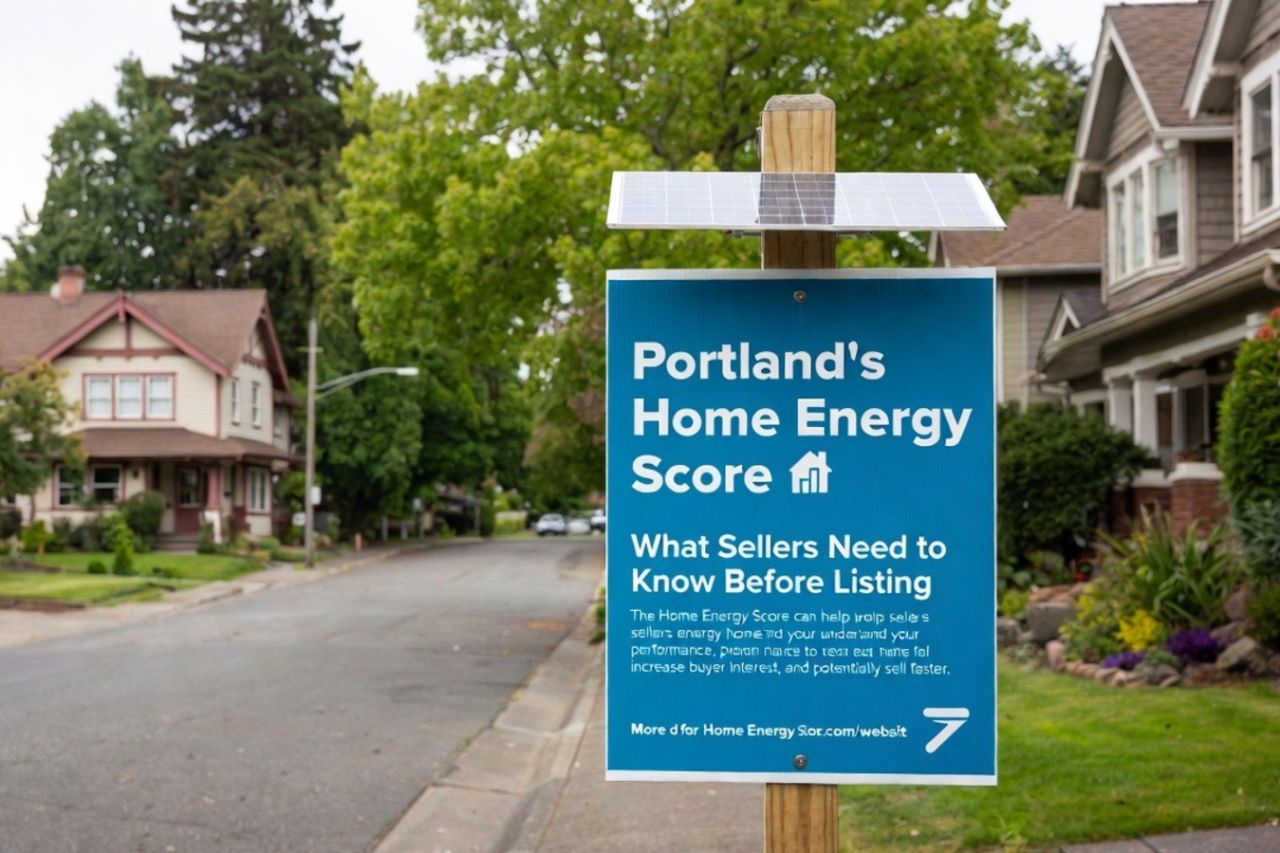
If you're publicly advertising a home for sale inside Portland city limits, you need a Home Energy Score before the listing goes live. It's one of the most commonly forgotten steps in a launch, and one of the easiest.
What it is
Portland's Home Energy Score ordinance, adopted unanimously by City Council in December 2016, requires a seller to get an energy assessment from a licensed assessor and to include the score and report in the listing and any public advertising. The score runs 1 to 10, least to most efficient. A 5 performs like an average Portland home; a 10 sits in the most efficient ten percent. The city's own comparison is a miles-per-gallon rating, and it's a fair one.
The assessment takes about an hour on site. Assessors are independent, so they set their own prices: expect somewhere around $155 and up, more for a larger house, and the city itself suggests calling more than one for cost and scheduling.
Which homes actually need one
This is where sellers get it wrong, so it's worth being exact.
- Required: detached single-family homes, and side-by-side townhomes and condos that share a wall. A shared wall does not get you out of it.
- Cannot be scored, and so not required: units in a stacked configuration with homes above or below them, plus mobile, manufactured, and floating homes.
- Detached ADUs don't need their own score as long as the main home gets one. An ADU inside the main structure is covered by that one assessment.
- Never publicly advertised? A genuinely private sale between two parties, with no listing, sign, or online post, falls outside the rule.
Formal exemptions do exist, but they are narrower than people assume: foreclosure and trustee's sales, deeds in lieu, short sales, tax-arrears auctions, receiverships, and homes condemned by a government entity. "It's an older house" is not an exemption.
Why it trips sellers up
Because it's needed at listing, not at closing. A launch that's otherwise perfect (photos done, staging placed, weekend planned) can stall for days waiting on an assessor appointment. Assessors book out exactly when the market is busiest.
For my sellers it's a standing item on the listing-launch checklist, scheduled the same week as photography, so it's simply never the bottleneck.
Does a low score hurt your sale?
Less than sellers fear. Portland buyers are used to older housing stock. A 1926 bungalow scoring a 3 surprises no one. What the score does change:
- Disclosure beats discovery. A known score with a clear report reads as honesty, and buyers price uncertainty more harshly than facts.
- The report lists upgrades with estimated savings, occasionally worth doing pre-list (weatherstripping, attic insulation) when the payback shows up in both comfort and photos.
The checklist version
Book the assessor the week you sign the listing agreement. Attach the report to the RMLS listing. Print a copy for the open-house table. Done, and never last-minute.
Getting ready to list inside city limits? Start the conversation and the energy score gets scheduled with everything else. It's step four on the launch checklist, right after staging.
Quick answers.
Is a Home Energy Score required to sell in Portland?
Yes, single-family home sellers inside Portland city limits must get a Home Energy Score from a licensed assessor and include it when the home is listed (city ordinance, in effect since 2018).
How much does a Portland Home Energy Score cost?
Typically around $150–$250, and the on-site assessment takes about an hour.
Does a low energy score hurt my sale price?
Rarely by itself, Portland buyers expect older homes to score modestly. Clear disclosure with the report's upgrade list generally reads better to buyers than uncertainty.