Six days or forty-six: how fast Portland ZIPs sell

People talk about "the Portland market" as if it were one thing. It is not. In the same month, one ZIP I cover was going pending in a median of five days and another in forty-six. Same metro, same interest rates, same season. That gap should change how you behave, and mostly it does not.
Where the gap comes from
Three things, mostly.
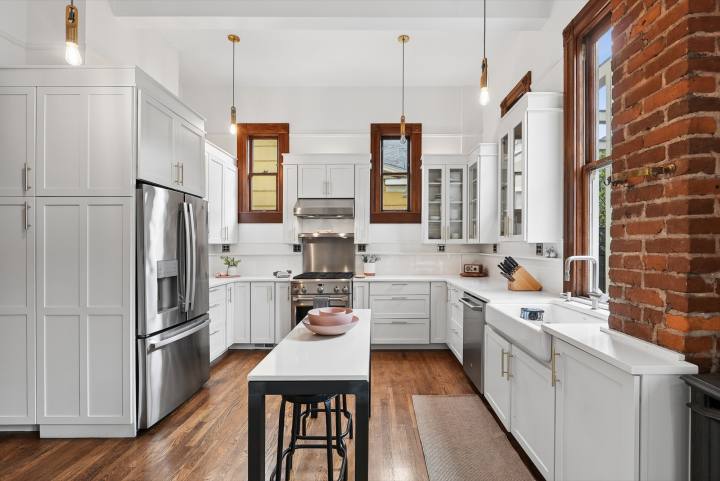
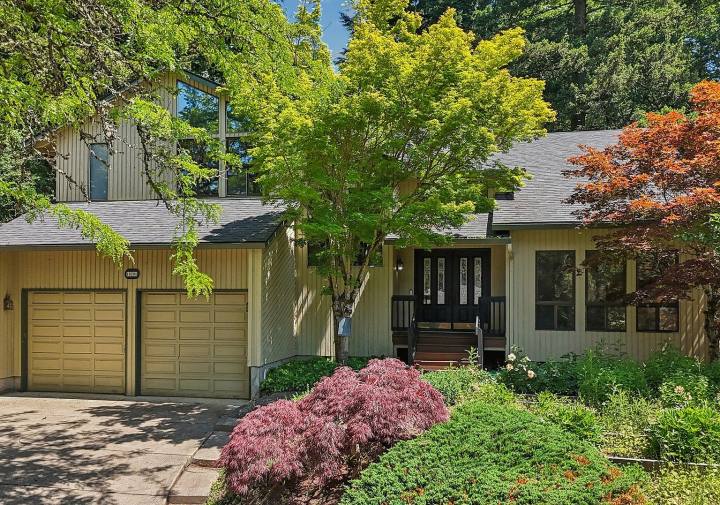
Supply of a specific product. There is a fixed number of 1910 Craftsman houses on wide tree-lined streets in inner northeast, and nobody is building more. When one lists, the people who have been waiting move immediately. Newer suburban neighborhoods have more inventory and more of it is substitutable, so nobody has to rush.
Buyer pool size. A close-in neighborhood draws from everyone who wants close-in. A specific suburban subdivision draws from a smaller, more specific group.
Price band. Higher price bands are thinner everywhere. A million-dollar house has fewer possible buyers than a five-hundred-thousand-dollar one, and thin markets move slowly even when they are healthy.
What it means if you are buying
In a fast ZIP, the whole game happens before you tour. Fully underwritten, not pre-qualified. Inspection posture decided in advance. Availability to see something the day it lists. If you cannot do those three things, you will lose houses and it will feel personal when it is not.
In a slow ZIP, the opposite, and this is the part people get wrong. Buyers arrive from the inner eastside still in panic mode and waive things they did not need to waive. If homes there are sitting for six weeks, you have room to inspect properly, ask for repairs and negotiate. Using inner-city tactics in a patient market is just donating money.
What it means if you are selling
Pricing precision matters in inverse proportion to speed. In a five-day market, a slightly optimistic price gets corrected in a fortnight and you have lost very little. In a forty-six-day market, an optimistic price does not get corrected. It just sits, and a stale listing costs real money in a way that is hard to undo.
The first two weeks are most of your leverage everywhere. In a slow market they are nearly all of it.
How to find your ZIP's actual pace
I publish a market report for every ZIP I cover, refreshed monthly, each with a five-year price history. Typical value, median sale, median days to pending, price per square foot. It is the same data I use, and it is free to read: every market report is here.
Look at your ZIP and the two next to it. If the pace differs sharply between them, that is a real strategic fact about your search, not trivia.
The caveat
Median days on market describes the middle of a distribution, not your house. A well-priced, well-prepared home in a slow ZIP can go in a week; a wrongly-priced one in a fast ZIP can sit for two months and I have watched both happen. The pace tells you which mistakes are expensive. It does not tell you your outcome.
Figures cited are from the August 2026 data drop. They change monthly, and the live numbers are on the market pages.
Quick answers.
What does median days on market actually mean?
It is the middle of the distribution: half of homes went pending faster, half slower. It describes the market, not your house. A well-prepared, well-priced home routinely beats it, and a badly priced one routinely does not.
Should I waive my inspection to win a Portland house?
Almost never, and much less often than buyers assume. In a genuinely fast ZIP there is a real conversation about how to structure inspection so you stay competitive. In a slower ZIP, waiving buys you nothing at all. It depends on which market you are actually in.
Where can I see how fast my ZIP is selling?
On this site. Every covered ZIP has a market report with typical value, median sale price, median days to pending and a five-year history, refreshed monthly from Zillow and Redfin data.